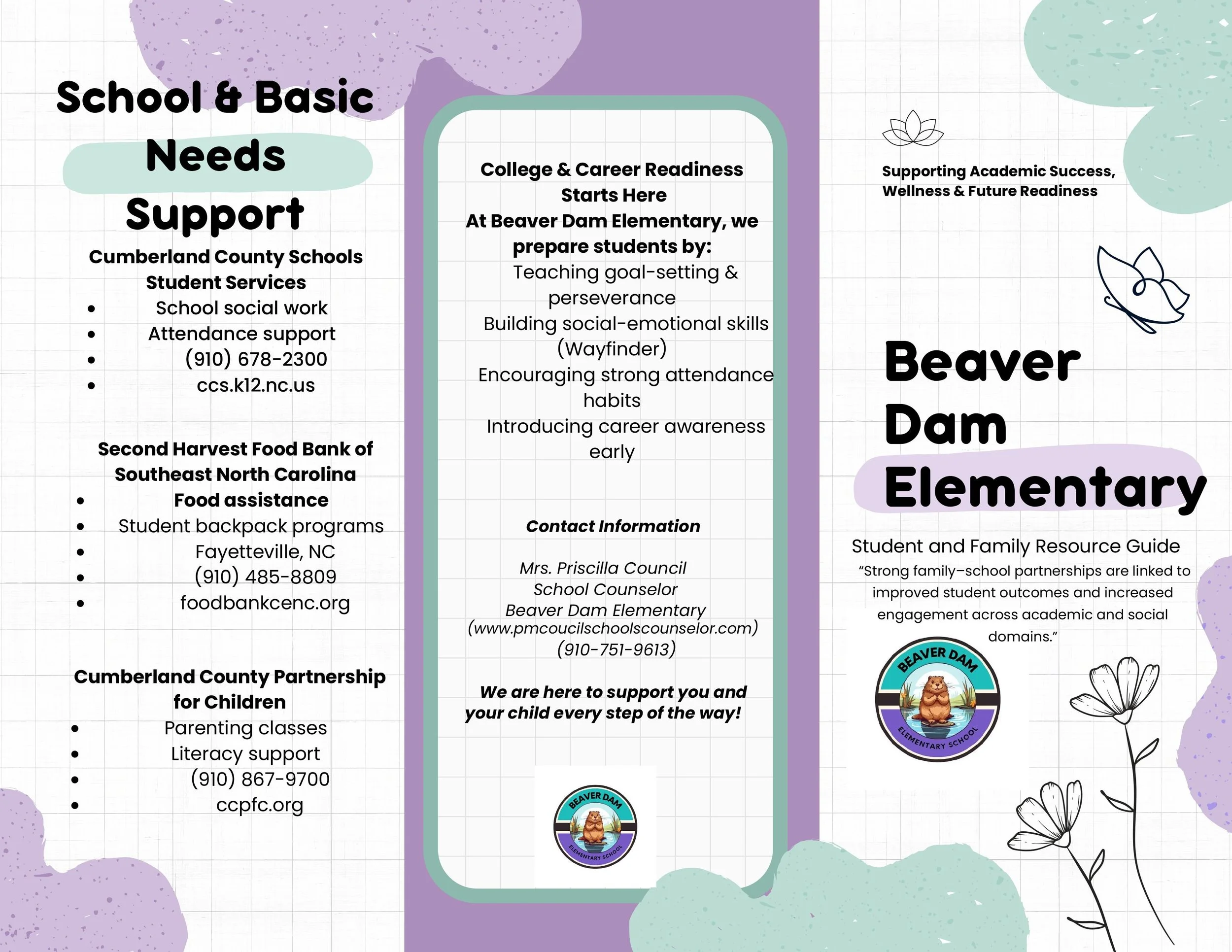
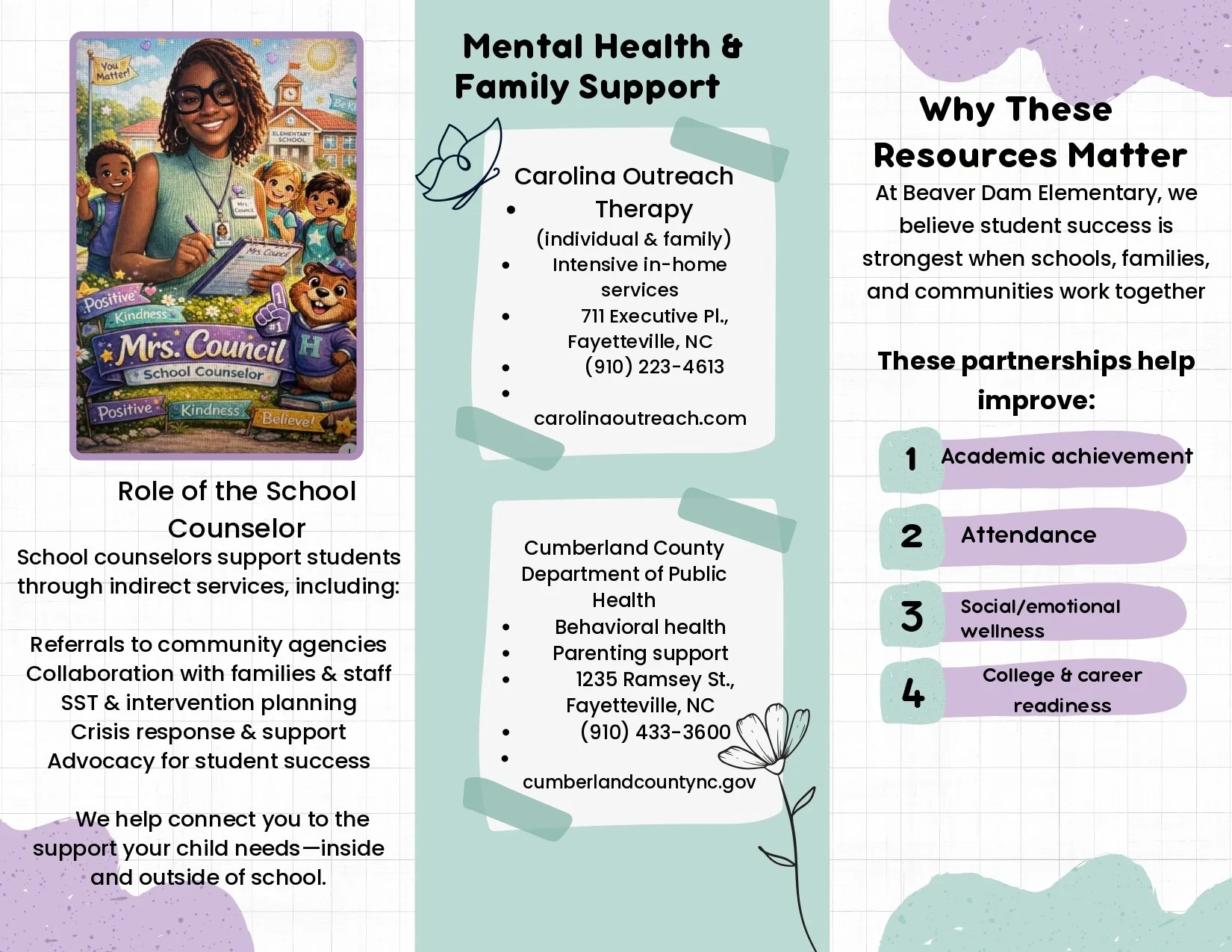
The ASCA National Model Deliver component has significantly shaped my growth as a professional school counselor at Beaver Dam Elementary. Through direct and indirect student services, I have strengthened my ability to intentionally design, implement, and evaluate a comprehensive school counseling program that improves student outcomes and addresses achievement, attendance, and behavior gaps.
Identifying ASCA Student Standards and Closing Gaps
Throughout my development, I have become more intentional in aligning lessons, small groups, and individual counseling sessions with the ASCA Student Standards. Initially, I focused primarily on delivering engaging classroom guidance lessons. However, through instructor feedback and reflective supervision, I learned the importance of being data-driven and explicitly connecting each lesson or intervention to specific Mindsets and Behaviors standards.
For example, when reviewing attendance and behavior data at Beaver Dam Elementary, I identified students who would benefit from targeted small-group support. I implemented closing-the-gap groups focused on self-management, coping skills, and academic perseverance. These groups aligned with standards such as self-confidence, sense of belonging, and goal-setting behaviors. By clearly identifying standards before implementation, I was able to measure growth more effectively and demonstrate impact.
In addition to direct student services (classroom instruction, small groups, and individual counseling), I strengthened my use of indirect services such as consultation with teachers, collaboration with families, and participation in 504 and MTSS meetings. This holistic approach ensures that interventions extend beyond my counseling office and are reinforced within the classroom and home environment.
Utilizing Evidence-Based Counseling Strategies
Another major area of growth has been my intentional use of evidence-based counseling strategies for both prevention and intervention. Early in my practice, I relied heavily on relationship-building and general supportive counseling techniques. While relationship-building remains foundational, I have expanded my skill set to include:
Solution-Focused Brief Counseling techniques
Cognitive-behavioral strategies for emotional regulation
Social-emotional learning (SEL) interventions
Structured small-group curricula
Restorative and strength-based approaches
These strategies have enhanced my ability to support students experiencing anxiety, peer conflict, academic frustration, and behavioral challenges. I have learned to incorporate measurable goals into sessions and track student progress over time, ensuring that interventions are purposeful and outcome-driven.
Feedback from instructors encouraged me to clearly articulate the theoretical foundation behind my interventions. This feedback strengthened my confidence and helped me become more intentional in explaining how my strategies align with best practices in school counseling.
Personal and Professional Self-Evaluation (CACREP 2.F.1.k.)
Ongoing self-evaluation has been essential to my growth. In alignment with CACREP Standard 2.F.1.k., I have developed strategies for continuous professional reflection and improvement. These include:
Reviewing outcome data after classroom lessons and small groups
Seeking feedback from administrators, teachers, and families
Engaging in supervision and professional consultation
Reflecting on crisis responses and areas for growth
Participating in professional development opportunities
Through this reflective process, I have grown in confidence, cultural responsiveness, and ethical decision-making. I have learned that effective delivery is not simply about providing services, but about ensuring those services are equitable, intentional, and impactful.
Progression of Competency
Looking back at the beginning of my internship experience and comparing it to my current practice, I recognize significant professional growth. I have moved from implementing activities to designing strategic, data-informed interventions aligned with the ASCA framework. I now view the Deliver component as a structured, measurable system rather than isolated counseling events.
Most importantly, I have developed a deeper understanding of my role as a leader and advocate within Beaver Dam Elementary. My focus remains on ensuring that every student—regardless of background—has access to the academic, social/emotional, and career supports necessary to thrive.
This reflection demonstrates my continued commitment to growth, ethical practice, and comprehensive service delivery aligned with the ASCA National Model.